All Riders Welcome
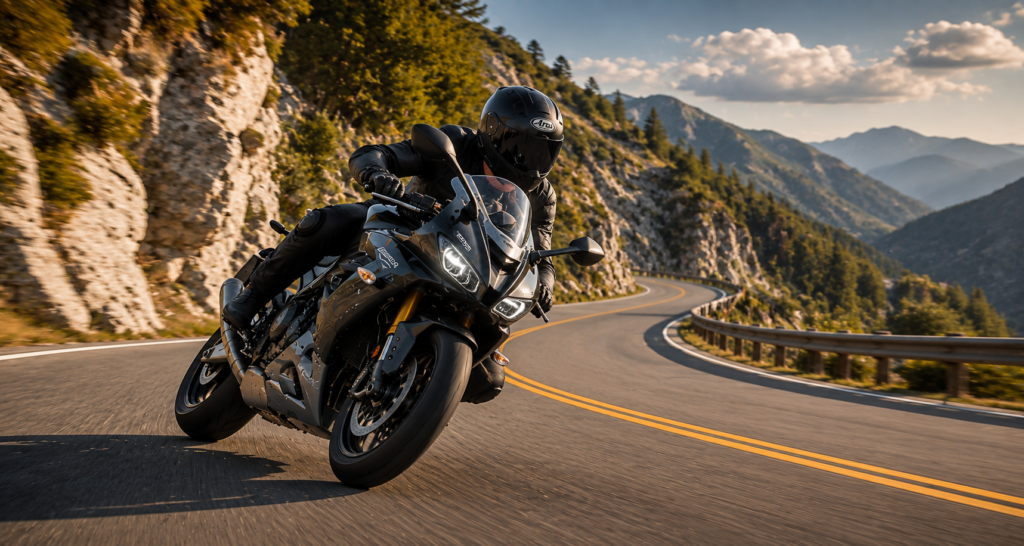
Bigger isn’t always better. In 2026, more riders are discovering that the sweet spot in motorcycling may live somewhere between 400cc and 900cc.
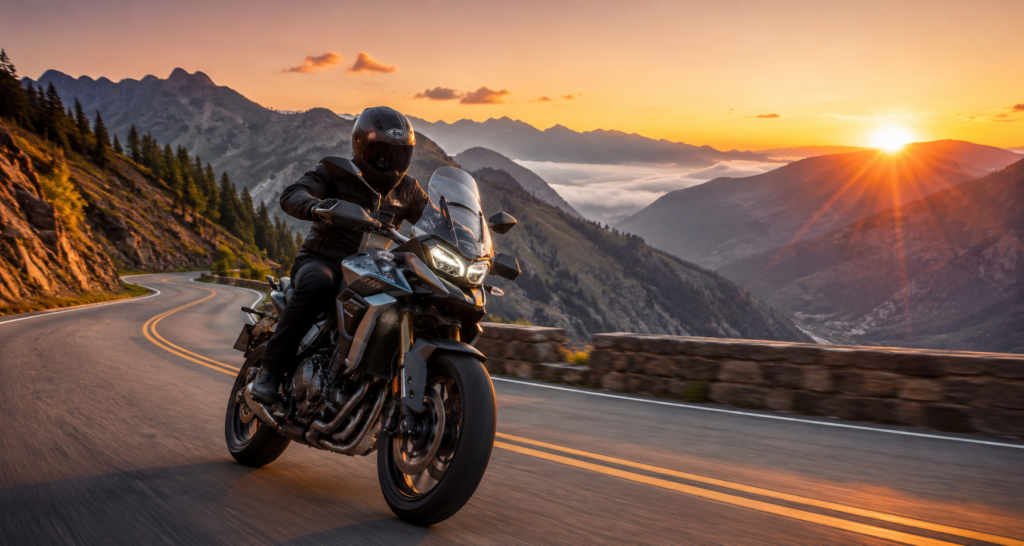
For years, the motorcycle industry seemed locked in an endless horsepower arms race. Bigger engines. Bigger touring machines. Bigger price tags. Showrooms became filled with towering adventure bikes and liter-class rockets capable of speeds most riders would never legally touch.
But something interesting has happened.
Mid-size motorcycles are no longer the “starter bikes” parked quietly in the corner of the dealership. They’ve become the main event.
From sporty twins to lightweight adventure machines, motorcycles in the 400cc to 900cc category are rapidly becoming some of the most popular bikes on the market in 2026. Riders are gravitating toward machines that feel usable, affordable, and genuinely fun on real roads instead of spec sheets.
And manufacturers have noticed.
There was a time when moving up always meant moving bigger. Riders often felt pressure to eventually own:
But modern riding conditions have changed.
Traffic congestion continues to grow in cities. Insurance costs have climbed. Fuel prices remain unpredictable. Parking space is tighter than ever. For many riders, huge motorcycles have started to feel less practical for daily use.
That’s where mid-size bikes shine.
A bike in the 500cc to 800cc range can still handle highway speeds comfortably while remaining lighter, easier to maneuver, and less intimidating in urban environments.
For many riders, that balance matters more than outright power.
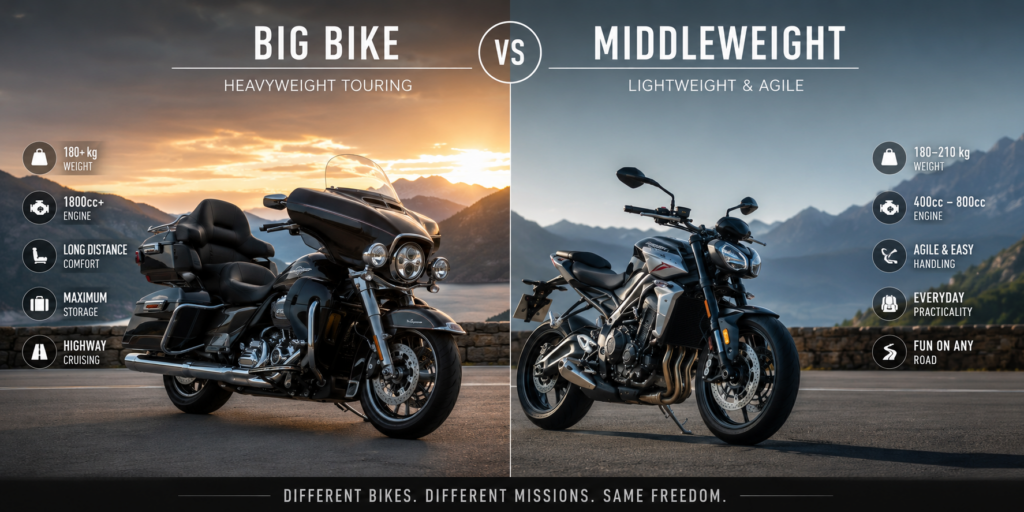
Motorcycle manufacturers are pouring resources into the mid-size category, and the lineup for 2026 reflects that shift clearly.
Models like the Triumph Trident 660 continue to attract riders looking for a blend of everyday usability and sporty character. Meanwhile, adventure bikes such as the Honda Transalp and Yamaha Ténéré 700 are proving that riders don’t necessarily need giant 1200cc machines to explore long-distance travel routes.
Even newer manufacturers are stepping into the space aggressively. The CFMoto Ibex 950 shows how brands are targeting riders who want modern technology and touring capability without premium flagship pricing.
The message from the industry is becoming increasingly clear:
mid-size motorcycles are no longer compromises. They are becoming the preferred choice.
One of the biggest surprises many riders discover after downsizing is how enjoyable lighter motorcycles can be.
A smaller bike often feels:
On twisty roads, lighter motorcycles can sometimes feel faster simply because riders are more comfortable pushing them.
There’s a certain freedom in riding a motorcycle that doesn’t feel like it weighs as much as a small moon.
Modern technology has dramatically improved what smaller and mid-size motorcycles can offer.
Today’s middleweight bikes commonly include:
Features once reserved for flagship superbikes are now appearing on motorcycles aimed at everyday riders.
As a result, riders no longer feel like they are sacrificing modern features by choosing a smaller displacement bike.
In many cases, they’re gaining practicality while keeping most of the excitement.
Motorcycles have become more expensive across nearly every category.
Flagship adventure bikes and touring motorcycles can now reach prices that rival compact cars. Insurance rates for high-displacement sport bikes also continue climbing in many regions.
Mid-size motorcycles often land in a much more accessible range for riders entering the hobby or returning after years away.
That affordability affects more than just the purchase price:
For many riders, owning a bike that gets ridden often is more appealing than owning an expensive machine that spends most of its life under a cover in the garage.
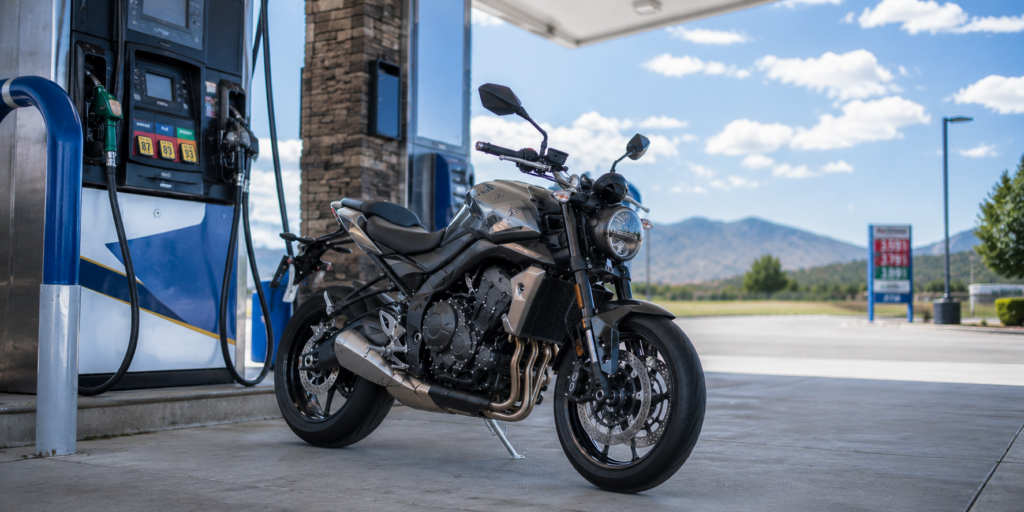
Modern riders are increasingly focused on real-world usability rather than extreme top-end performance.
A motorcycle with:
often becomes more enjoyable in everyday situations than a 200-horsepower machine built primarily for racetrack numbers.
That shift in mindset is helping reshape the motorcycle market.
Manufacturers are beginning to prioritize approachable performance instead of simply chasing higher horsepower figures.
One of the clearest examples of this trend can be seen in the adventure category.
For years, large ADV bikes dominated headlines with massive engines and globe-crossing marketing campaigns. But many riders eventually realized they rarely needed:
Mid-size ADV bikes now offer a compelling middle ground:
Motorcycles like the Royal Enfield Himalayan and Honda Transalp have helped fuel this growing interest in practical adventure riding.
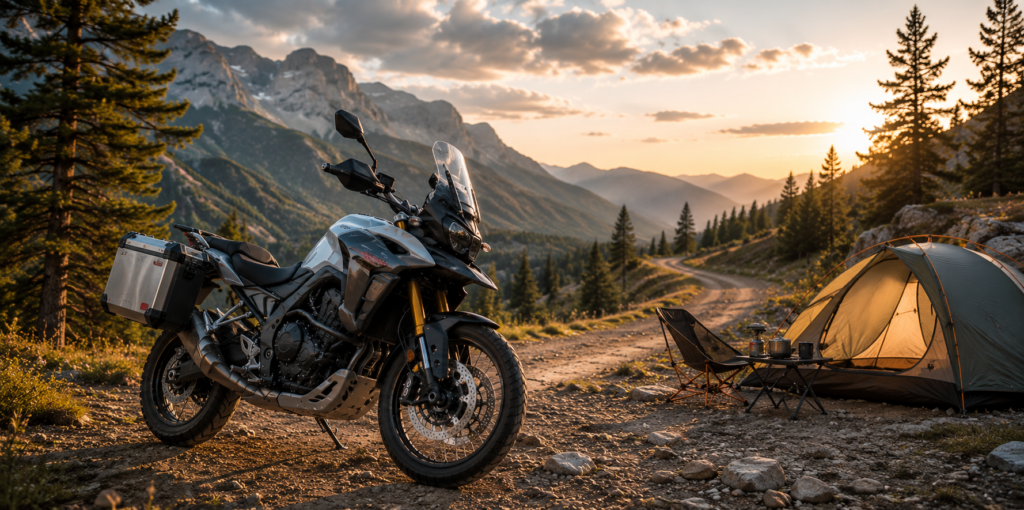
The motorcycle industry in 2026 appears to be shifting toward balance rather than excess.
That doesn’t mean superbikes, giant touring rigs, or heavyweight cruisers are disappearing. Those motorcycles still have passionate audiences and unique strengths.
But the growing popularity of mid-size motorcycles suggests many riders are prioritizing:
In many ways, the industry seems to be rediscovering something riders have quietly known for years:
Sometimes the best motorcycle isn’t the biggest one.
Sometimes it’s simply the one you want to ride every single day.